


Georgia Personal Injury Blog
PPE for Welders

Welders face a number of occupational hazards on a daily basis. They are routinely exposed to flames, hot or sparking arcs, flying debris, and slag vapor. Welding accidents account for approximately 25% of fatal workplace accidents and include approximately one-third of all nonfatal amputations, as stated by Water Welders. Approximately 1,000 welders suffer injury for every 100 million work hours. This is much higher than the average injury rate for other workers. Welding safety hazards include:
- Fire and explosions
- Exposure to gasses and fumes
- Physical hazards, including cuts, crushing, and burns
Construction Accidents Caused by Falling Materials

Falling objects are one of the leading causes of work-related fatalities. “Struck-by” incidents rank among OSHA’s “Fatal Four” hazards in the construction industry. OSHA safety standards are designed to prevent injuries to workers from falling objects. Many falling materials accidents are caused by negligence.
Beware of Atlanta Winter Road Hazards
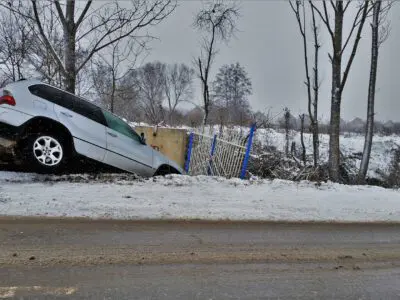
Winter weather in Atlanta might be less extreme than in other regions, but even light snow, freezing rain, and black ice can create extremely dangerous driving conditions. Unfortunately, winter road hazards often catch Georgia drivers off guard, leading to accidents, injuries, and serious legal consequences. If you were hurt in a crash caused by a winter road hazard and another party’s negligence played a role, you may be entitled to compensation.
Read more…
Evaluating Long-Term Car Accident Injuries in Atlanta

The impact of a car crash can cause a wide variety of injuries, ranging from mild to fatal. Even with prompt medical treatment, some injuries can have long-term effects on car accident victims. This is why it is important to consider future losses in seeking compensation from responsible parties.
Beware of Falling Construction Debris in Atlanta

Falling debris can cause severe injuries to both construction workers and pedestrians in Atlanta. Being struck by an object is one of OSHA’s “fatal four” leading causes of death for workers in the construction industry. Bystanders simply walking in the vicinity of a construction project can also be seriously injured or killed by falling debris, tools, or other objects, if the proper safety measures are not taken.
Deadly Hazards to Know About When Traveling Through Georgia
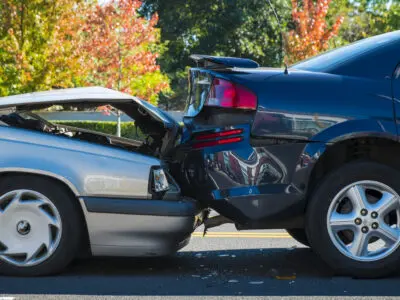
Commuters in Georgia face serious hazards when they get behind the wheel of a car. Statewide, traffic fatalities are on the rise. As of October, more than 1,000 people had already died in traffic crashes across the state in 2021, as reported on Fox 5. In one September weekend alone, 16 people were killed in traffic accidents. Speeding is a major factor in deadly accidents in Georgia and on metro Atlanta roads.
How to Guide Your Teen Down the Path to Driver Safety

Young, inexperienced drivers are far more likely to be involved in a serious or fatal vehicle accident. The NHTSA (National Highway Traffic Safety Administration) reports that 7 percent of fatal accidents involve teenage drivers, with 2,042 people dying in accidents with a teen driver in a recent year.
Who Can Be Held Liable After an Elevator Accident?

When you choose to use an elevator, the last thing on your mind may be the risk of serious injuries – but elevator accidents occur far more often than most of us realize. The types of elevator accidents that can lead to serious injury or death include:
- Elevator shaft falls
- Caught between floors
- Struck by elevator
- Elevator platform collapses
- Mechanical breakdown
- Faulty wiring
- Power failures
- Defective elevator doors
- Free falls
- Unbalanced leveling
- Electrocutions
How a Spinal Cord Injury Leads to Chronic Pain

Spinal cord injury (SCI) can be complete or incomplete. With complete SCI, there is no sensation or motor function below the level of the injury. With incomplete SCI, some sensation and function remain in varying degrees, depending on the severity of the injury. In either case, spinal cord injury can lead to chronic pain.
When Brain Injuries Cause Paralysis
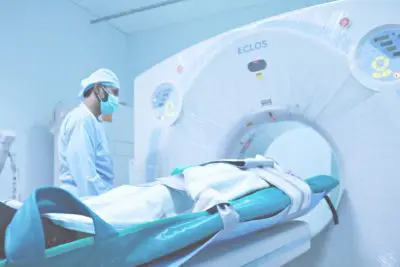
It is common knowledge that spinal cord injury can cause paralysis, but not as well known that this condition can also be caused by injury to the brain. When the brain is damaged in areas that control the function of the muscles, it can leave a victim with weakness or paralysis. The good news is that treatment is possible to recover some degree of strength and mobility after a brain injury.
Contact us today for a free and comprehensive case evaluation.
We require no legal retainer or upfront fees,
and you pay nothing unless we prevail.
Phone: (404) 995-3955

Categories
- ATV Accident
- Auto Accidents
- Bicycle Accident
- Birth Injury
- Burn Injury
- Bus Accident
- Child Injury
- Construction Accidents
- Distracted Driving Accidents
- Firm News
- Hit-and-Run Accident
- Holiday Events
- Insurance Bad Faith
- Legal Updates
- Medical Malpractice
- Mesothelioma
- Motorcycle Accidents
- Nursing Home Abuse
- Pedestrian Accidents
- Personal Injury
- Premises Liability
- Product Liability
- Spinal Cord Injury
- Traumatic Brain Injury
- Truck Accidents
- Wayne Grant Education
- Wrongful Death


