


Why Trucking Companies Are Often Liable for Atlanta Highway Collisions
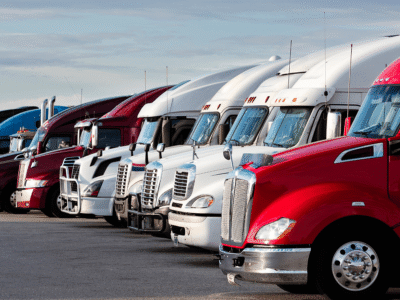
Tractor-trailers are a common sight on Georgia highways, especially in the Atlanta area—one of the busiest commercial traffic hubs in the Southeast. Unfortunately, with the increased traffic comes a higher risk of devastating truck crashes.
When these accidents happen, it’s easy to assume the truck driver is solely to blame. But in many cases, the true source of negligence lies deeper, within the trucking company itself. Understanding trucking company liability is essential for anyone injured in a commercial vehicle accident.
At Grant Law Office, we investigate the full scope of every crash. That includes looking into how the company hired, trained, and supervised its drivers and whether its safety practices complied with federal and state laws.
Trucking Companies Must Be Gatekeepers of Safety
Every trucking company that puts a driver behind the wheel and on the road is responsible for ensuring both are safe. Unfortunately, profit often takes precedence over safety when it comes to the trucking industry. But when companies cut corners, ignore maintenance schedules, or push drivers beyond legal limits, they create a high-risk environment that often leads to catastrophic accidents.
Georgia law allows victims of truck crashes to file lawsuits against individual drivers and the companies that employ them. These companies may be liable under two types of legal theories: vicarious liability and direct liability.
Holding Employers Responsible for Driver Negligence
Under the legal doctrine of vicarious liability, employers may be liable for the actions of their employees while they are performing job duties. This means that if a truck driver causes an accident through negligence—such as speeding, distracted driving, or fatigue—trucking company liability can still apply, even if the company didn’t directly cause the crash.
Truck drivers are required to follow strict safety rules, including limits on how many hours they can drive in a day and how often they must rest. When drivers violate these rules, often under pressure to meet delivery deadlines, the employer may still be held accountable.
Direct Liability: When the Company Is Negligent
At Grant Law Office, we have seen how unsafe practices behind the scenes can lead to deadly outcomes on the road. Beyond vicarious liability, trucking companies can also be directly liable when their own actions (or inaction) play a role in causing a collision.
The following are common types of direct liability in truck accident cases.
1. Negligent Hiring Practices
Before a company hires a driver, it must ensure the individual is qualified, has a valid Commercial Driver’s License (CDL), and does not have a history of serious traffic violations or substance abuse. Failing to vet a driver’s background—or knowingly hiring someone with a dangerous record—is a clear form of negligent hiring in trucking.
In many cases, companies either skip background checks or overlook red flags to quickly fill positions. This puts everyone on the road at risk.
2. Negligent Supervision or Training
Hiring the right person is only the beginning. Trucking companies are also responsible for properly training and supervising their drivers. This includes making sure drivers know how to handle hazardous road conditions, comply with weight limits, secure cargo properly, and adhere to safety laws.
A lack of training or poor oversight can lead to unsafe driving habits, resulting in crashes that could have been avoided.
3. Vehicle Maintenance Failures
Truck maintenance is not optional. It’s mandated by federal law. Brakes, tires, lights, hitches, and engines must all be regularly inspected and repaired. When companies fail to maintain their fleet or falsify maintenance logs, they expose others to potentially fatal mechanical failures.
So if a crash was caused by worn brakes, tire blowouts, steering problems, or a detached trailer, the trucking company could be held accountable for failing to keep its vehicles roadworthy.
4. FMCSA Trucking Law Violations
The Federal Motor Carrier Safety Administration (FMCSA) sets national safety standards for commercial trucking companies. These rules cover everything, from hours-of-service limits to drug testing, maintenance requirements, and record-keeping.
When a company violates these rules—whether by allowing drivers to falsify logbooks or skipping vehicle inspections—it creates a pattern of negligence. Thus, FMCSA violations are strong evidence in proving a company’s liability for a crash when facing a jury.
How Our Lawyers Prove Trucking Company Negligence
To hold a trucking company liable before a jury, your legal team needs to gather detailed evidence. At Grant Law Office, we act quickly to preserve and investigate:
- Driver qualification and personnel files
- Logbooks and black box data
- Maintenance and inspection records
- Drug and alcohol testing results
- Dispatch records and communications
- Company safety protocols and training manuals
This evidence helps us identify whether truck driver negligence was an isolated error or the result of broader issues within the company—issues that may have endangered the public long before your crash occurred.
Why Truck Accident Claims Are Different
A commercial vehicle accident in Atlanta is not the same as a typical car crash. Multiple parties may be involved, including the truck driver, their employer, a third-party maintenance contractor, or even the cargo loading company. Investigating the full scope of liability requires knowledge of both Georgia tort law and complex federal regulations.
At Grant Law Office, we’re not just looking for a quick settlement. We build each case thoroughly, preparing as though it will go to trial. Our goal is to hold all negligent parties fully accountable and pursue the maximum compensation possible for your injuries.
What Compensation Can You Recover?
If you’ve been seriously hurt in a truck crash, your recovery may involve months or years of medical care. You deserve to be compensated for everything you’ve lost, including:
- Emergency medical treatment
- Hospitalization and rehabilitation
- Surgery and long-term care
- Lost income and reduced earning capacity
- Pain and suffering
- Permanent disability or disfigurement
- Loss of quality of life
When trucking company liability is clearly established, you may also be entitled to punitive damages, especially if the company showed gross negligence or reckless disregard for public safety.
Speak with an Experienced Atlanta Truck Accident Attorney
If you or someone you love has been injured in a truck collision, don’t assume the truck driver is the only one to blame. The trucking company may have played a significant role, and they must be held accountable.
At Grant Law Office, we’ve handled numerous Georgia truck crash lawsuits, and we understand what it takes to stand up to major trucking corporations and win.
Our legal team brings over 60 years of combined experience to every case. And as a husband-and-wife duo, we’re committed to providing our clients with individual attention, strategic planning, and unwavering representation in front of a jury.
Contact our Atlanta truck accident lawyers today for a free consultation at (404) 995-3955 and let’s help you uncover the truth, protect your rights, and pursue the justice you deserve.
Contact us today for a free and comprehensive case evaluation.
We require no legal retainer or upfront fees,
and you pay nothing unless we prevail.
Phone: (404) 995-3955

Categories
- ATV Accident
- Auto Accidents
- Bicycle Accident
- Birth Injury
- Burn Injury
- Bus Accident
- Child Injury
- Construction Accidents
- Distracted Driving Accidents
- Firm News
- Hit-and-Run Accident
- Holiday Events
- Insurance Bad Faith
- Legal Updates
- Medical Malpractice
- Mesothelioma
- Motorcycle Accidents
- Nursing Home Abuse
- Pedestrian Accidents
- Personal Injury
- Premises Liability
- Product Liability
- Spinal Cord Injury
- Traumatic Brain Injury
- Truck Accidents
- Wayne Grant Education
- Wrongful Death


