


What Is Considered Fair Compensation When Permanent Disfigurement Occurs After an Injury in Atlanta?
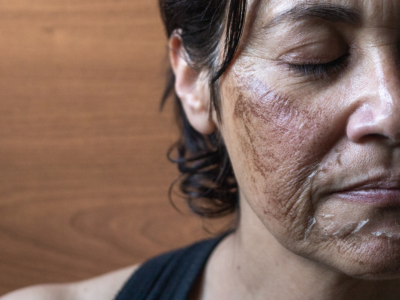
Serious accidents can leave victims facing lasting injuries that affect far more than a person’s physical health. Permanent scars, severe burns, facial injuries, amputations, and other forms of disfigurement could change how someone lives, works, and interacts with others.
In addition to ongoing medical treatment, many injury victims face emotional challenges, financial hardship, and permanent changes to their quality of life. If another party’s negligence caused your injuries, Georgia law may allow you to pursue personal injury compensation for both the financial losses and personal hardships resulting from permanent disfigurement.
Grant Law Office consists of catastrophic injury lawyers who represent those who have suffered serious injuries in Atlanta. Our team understands how to document the full extent of a client’s damages, prepare a strong case, and pursue the maximum compensation available under the law.
What Is Considered Permanent Disfigurement?
Permanent disfigurement refers to a lasting change in a person’s physical appearance caused by an injury. In many cases, the damage cannot be completely corrected through medical treatment or surgery.
Examples of permanent disfigurement include:
- Severe burn scars
- Facial scars or deformities
- Loss of an eye or ear
- Amputations
- Permanent damage to the hands or fingers
- Significant surgical scarring
- Permanent skin discoloration
- Nerve damage resulting in facial asymmetry
There Is No Fixed Value for Permanent Disfigurement Claims in Georgia
Georgia law does not assign a fixed dollar amount to compensation for scarring or other forms of permanent disfigurement. Instead, insurers, judges, or juries evaluate the unique facts of each case. This is one reason why working with an experienced Atlanta catastrophic injury attorney can be so important when pursuing compensation for life-changing injuries.
Factors That May Influence Permanent Disfigurement Compensation
Several factors influence the value of a claim, including the severity of the injury, the medical treatment required, the effect on daily life, and the strength of the available evidence.
The Location and Extent of the Disfigurement
Not all scars affect a person’s life in the same way. The overall size, visibility, permanence, and severity of the disfigurement are all important considerations when evaluating damages.
Whether Reconstructive or Plastic Surgery Is Necessary
Some individuals require multiple surgeries over several years, while others may continue needing future corrective procedures throughout their lives. These anticipated medical expenses can become an important part of a permanent injury claim.
These treatments may include:
- Plastic surgery
- Skin grafts
- Scar revision procedures
- Laser treatments
- Tissue expansion procedures
Permanent Physical Limitations
Disfigurement is not always cosmetic. Many injuries also result in reduced mobility, chronic pain, nerve damage, muscle weakness, or permanent functional impairment.
For example, burn scar contractures may restrict movement, while facial injuries may affect vision, speech, or eating. Amputations may permanently change a person’s ability to perform everyday tasks or continue working in their chosen profession. These functional limitations can increase both the financial and personal impact of an injury.
Emotional Distress and Loss of Self-Confidence
Permanent changes in appearance often affect emotional well-being. Many injury victims experience:
- Anxiety
- Depression
- Post-traumatic stress disorder (PTSD)
- Social withdrawal
- Embarrassment
- Loss of confidence
- Difficulty maintaining personal relationships
These emotional consequences can persist long after physical healing has occurred. Georgia law may allow injured individuals to seek recovery for emotional distress and other non-economic damages resulting from permanent disfigurement.
The Injured Person’s Age, Occupation, and Lifestyle
The effects of permanent disfigurement vary from person to person. Courts and insurance companies may consider how an injury affects the specific individual rather than applying a one-size-fits-all approach.
For example, a young adult with decades of employment ahead may face different challenges than someone nearing retirement. A visible facial scar may have a greater impact on someone working in sales, hospitality, entertainment, or public-facing professions than on someone whose job does not involve regular public interaction.
Future Medical Treatment and Rehabilitation
Recovery from catastrophic injuries rarely ends after the first surgery. Many victims continue to require follow-up physician appointments, physical and occupational therapy, scar management, counseling, prescription medications, and specialized medical equipment throughout their recovery.
Some patients also need additional reconstructive procedures and ongoing rehabilitation to improve function, manage symptoms, and address complications that develop over time. These future treatment costs should be carefully documented before resolving a claim.
Reduced Earning Capacity
Some permanent injuries prevent individuals from returning to their previous occupation or limit the type of work they can perform. Reduced mobility, chronic pain, visible disfigurement, or permanent disabilities may affect future promotions, career advancement, or earning potential. When appropriate, compensation may include both lost wages and diminished future earning capacity.
Evidence That Can Strengthen a Permanent Disfigurement Claim
Because permanent disfigurement affects every individual differently, evidence plays an essential role in demonstrating the true extent of the injury.
- Medical Records and Physician Opinions. Medical records document the diagnosis, treatment, surgeries, prognosis, and long-term effects of the injury. Treating physicians can explain whether the disfigurement is permanent, what additional treatment may be necessary, and how the injury affects physical function.
- Photographs Taken Throughout Recovery. Photographs often provide powerful evidence. Images documenting the injury immediately after the accident, during treatment, and after healing help illustrate both the severity and permanence of the disfigurement.
- Plastic or Reconstructive Surgery Evaluations. Plastic surgeons and reconstructive specialists may evaluate whether additional procedures are medically appropriate. Their opinions may help establish the need for future surgeries, the expected costs of treatment, the likely outcomes of additional procedures, and any permanent cosmetic limitations that may remain despite reconstructive care.
- Mental Health Treatment Records. Records from psychologists, psychiatrists, counselors, or therapists may help document PTSD, depression, anxiety, social withdrawal, body image concerns, and the emotional impact of permanent disfigurement.
- Vocational and Economic Experts. Vocational experts evaluate how an injury limits future employment opportunities, while economists calculate the projected financial value of future lost earnings, benefits, and medical expenses. These expert opinions help present a more complete picture of the long-term financial consequences.
- Testimony from Family Members and Friends. Family members, friends, coworkers, and caregivers may provide testimony about the injured person’s daily physical limitations, personality changes, emotional struggles, reduced independence, changes in family relationships, and inability to participate in hobbies and social activities.
Speak With a Trusted Atlanta Catastrophic Injury Lawyer
If you or a loved one has suffered permanent disfigurement because of someone else’s negligence, you deserve to have experienced legal guidance by your side until your case is resolved.
Grant Law Office has been representing injured Georgians since 2000. Wayne Grant and Kimberly W. Grant bring more than 60 years of combined legal experience to your case, and they are known for providing personalized attention, strategic case preparation, and compassionate client service.
Wayne Grant is ABPLA certified, he has been recognized by Super Lawyers and The Best Lawyers in America, and he holds an AV Preeminent® rating from Martindale-Hubbell.
Call (404) 995-3955 to schedule your free consultation today.
Frequently Asked Questions About Permanent Disfigurement Compensation in Atlanta
Can I recover compensation for permanent disfigurement after an accident in Georgia?
Yes. If another party’s negligence caused your injury, Georgia law may allow you to pursue compensation for permanent disfigurement, along with other damages such as medical expenses, lost wages, pain and suffering, emotional distress, and future treatment costs.
Is there an average settlement for permanent disfigurement in Georgia?
No. There is no fixed settlement amount or formula for permanent disfigurement claims in Georgia. The value of each case depends on factors such as the severity and visibility of the injury, its impact on your daily life and career, the medical treatment required, and the strength of the evidence supporting your claim.
What types of injuries may qualify as permanent disfigurement?
Permanent disfigurement may include severe scarring, burn injuries, facial injuries, amputations, permanent skin discoloration, the loss of an eye or other body part, and other lasting changes to a person’s appearance or physical function. Whether an injury qualifies depends on the specific facts of the case.
Can I recover compensation for emotional distress caused by permanent scarring?
In addition to economic losses, Georgia law may allow injured individuals to recover non-economic damages for emotional distress, mental anguish, pain and suffering, loss of enjoyment of life, and the psychological impact of permanent scarring or disfigurement when supported by the evidence.
Contact us today for a free and comprehensive case evaluation.
We require no legal retainer or upfront fees,
and you pay nothing unless we prevail.
Phone: (404) 995-3955

Categories
- ATV Accident
- Auto Accidents
- Bicycle Accident
- Birth Injury
- Burn Injury
- Bus Accident
- Child Injury
- Construction Accidents
- Distracted Driving Accidents
- Firm News
- Hit-and-Run Accident
- Holiday Events
- Insurance Bad Faith
- Legal Updates
- Medical Malpractice
- Mesothelioma
- Motorcycle Accidents
- Nursing Home Abuse
- Pedestrian Accidents
- Personal Injury
- Premises Liability
- Product Liability
- Spinal Cord Injury
- Traumatic Brain Injury
- Truck Accidents
- Wayne Grant Education
- Workplace Injury
- Wrongful Death


