


Types of Workplace Accidents That Cause Electrocution in Atlanta
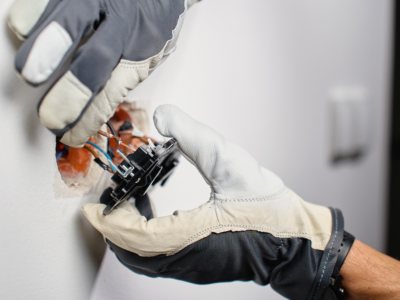
Electrical hazards are one of the most serious causes of workplace injuries in Atlanta. While many injured workers assume their only option is filing a workers’ comp electrocution claim, you may have additional options for seeking compensation, including third-party negligence claims or claims involving gross employer negligence under Georgia law.
Wayne and Kimberly Grant are a husband-and-wife electrocution accident law team in Atlanta. At Grant Law Office, we help injured workers look beyond basic workers’ compensation benefits to identify whether a third party, contractor, manufacturer, or employer’s extreme safety failures played a role so we can seek maximum compensation for our clients.
Overhead Power Line Contact
Overhead power lines are one of the leading causes of fatal electrical accidents at work, particularly in construction, roofing, and crane operations. These incidents often occur when equipment or materials come too close to energized lines.
Common Causes
- Cranes or ladders contacting power lines
- Dump trucks raising beds into overhead lines
- Workers unaware of nearby electrical hazards
OSHA Violations Involved
OSHA requires strict minimum clearance distances between workers and power lines. Employers must also:
- Clearly mark danger zones
- Train workers on electrical hazards
- Implement site-specific safety plans
Legal Implications
When these safeguards are ignored, it may rise to employer gross negligence in Georgia, especially if the employer knew of the hazard and failed to act. In some cases, third-party contractors, site managers, or utility companies may also share responsibility, creating grounds for a Third-party Negligence claim.
Contact With Underground Cables
Electrocution risks are not limited to what you can see. Underground electrical lines pose a serious danger during excavation and construction work.
Common Causes
- Digging without calling 811 for utility marking
- Inaccurate or missing utility maps
- Failure to verify marked lines before digging
OSHA and Safety Requirements
Employers and contractors must ensure that underground utilities are properly identified before excavation begins. Failing to follow 811 procedures is a common example of workplace safety violations.
Legal Implications
These cases often involve multiple liable parties, including:
- General contractors
- Subcontractors
- Utility companies
Faulty or Damaged Equipment
Defective tools, worn wiring, and exposed electrical components are a frequent cause of electrical accidents at work across industries.
Common Causes
- Frayed extension cords
- Broken insulation
- Malfunctioning power tools
- Improperly maintained machinery
OSHA Requirements
Employers must routinely inspect electrical equipment and remove unsafe tools from service immediately.
Legal Implications
When faulty equipment causes injury, liability may extend beyond the employer. Injured workers may have claims involving:
- Product liability (against manufacturers or distributors)
- Employer negligence for failing to inspect or replace equipment
Improper Lockout/Tagout Procedures (LOTO)
Lockout/Tagout violations are among the most frequently cited OSHA violations nationwide, and for good reason. These procedures are designed to prevent machinery from unexpectedly energizing during maintenance or repair.
Common Causes
- Failure to shut off power sources
- Inadequate training on LOTO procedures
- Removing locks or tags prematurely
OSHA Requirements
Employers must implement and enforce strict lockout/tagout protocols and train all affected employees.
Legal Implications
Failure to follow LOTO procedures is often strong evidence of employer gross negligence in Georgia. When an employer disregards well-established safety protocols, injured workers may have grounds to pursue claims beyond workers’ compensation.
Lack of Ground-Fault Protection (GFCI)
Ground-fault circuit interrupters (GFCIs) are critical safety devices that prevent electrocution by shutting off electrical current when a fault is detected.
Common Causes
- Missing GFCI outlets on construction sites
- Improper installation
- Disabled or malfunctioning GFCIs
OSHA Requirements
OSHA mandates GFCI use in many construction and outdoor environments where electrical hazards are heightened.
Legal Implications
The absence of required GFCI protection is a clear regulatory violation. This type of workplace safety violation can significantly strengthen an injury claim and may support arguments of employer gross negligence in Georgia.
Wet or Damp Working Conditions
Water dramatically increases the risk of electrocution. Workers in kitchens, outdoor job sites, and industrial settings face heightened danger when electrical systems are exposed to moisture.
Common Causes
- Standing water near electrical equipment
- Working in rain without proper safeguards
- Lack of insulated tools or protective gear
Employer Responsibilities
Employers must anticipate and mitigate foreseeable hazards, including wet conditions that increase electrical conductivity.
Legal Implications
If an employer fails to address known risks, they may be held accountable for workplace safety violations. These cases often hinge on whether the hazard was foreseeable and preventable.
Arc Flash or Arc Blast Incidents
Arc flash and arc blast incidents are among the most severe types of construction electrocution risks, often resulting in catastrophic burns or fatalities.
Common Causes
- Working on energized equipment
- Failure to use proper protective gear
- Poor maintenance of electrical systems
Safety Standards
Employers must comply with NFPA 70E standards, which outline requirements for:
- Hazard assessments
- Personal protective equipment (PPE)
- Safe work practices
Legal Implications
Failure to follow these standards can demonstrate significant negligence. Given the severity of injuries, these cases often involve substantial claims and multiple liable parties.
Overloaded Circuits
Overloaded electrical systems are a common issue in older buildings and temporary job setups, such as construction sites.
Common Causes
- Plugging too many devices into a single circuit
- Improper wiring
- Lack of circuit breakers or overload protection
OSHA Considerations
Employers must ensure that electrical systems are capable of handling the load and are properly maintained.
Legal Implications
When overloaded circuits lead to injury, it may indicate a failure to maintain safe infrastructure. This can support claims involving workplace safety violations and employer negligence.
Why Electrocution Cases Often Go Beyond Workers’ Compensation
A workers comp electrocution claim typically covers:
- Medical expenses
- Partial wage replacement
In many cases, additional claims may be available when:
- A third party contributed to the accident
- Defective equipment was involved
- OSHA violations or extreme safety failures occurred
Speak With an Experienced Atlanta Electrocution Attorney Today
If you or a loved one has been injured in electrical accidents at work, you may have more options than you realize. Understanding whether your case involves workplace safety violations, employer gross negligence, or a Third-party Negligence claim can make a big difference in your recovery.
Grant Law Office brings more than 60 years of combined experience to every case. Wayne Grant is certified by the American Board of Professional Liability Attorneys, and he has been recognized by Super Lawyers based on peer reviews and independent research.
Call (404) 995-3955 for a free consultation today.
FAQs About Workplace Electrocution Accidents in Atlanta
What are the most common OSHA violations linked to electrocution accidents?
Some of the most common OSHA violations tied to electrical accidents at work include:
- Failure to maintain safe distances from power lines
- Lack of proper lockout/tagout (LOTO) procedures
- Missing or faulty ground-fault protection (GFCI)
- Inadequate training on electrical hazards
- Failure to inspect and maintain equipment
When does an employer’s conduct qualify as gross negligence in Georgia?
Employer gross negligence in Georgia may apply when an employer knowingly ignores serious safety risks or fails to follow basic safety regulations. For example, sending workers into hazardous environments without proper training, ignoring known electrical dangers, or failing to correct repeated OSHA violations could rise to this level. These cases require a detailed investigation, but it can significantly impact your legal options.
Who can be held liable for construction electrocution risks?
Responsibility is not always limited to your employer. Depending on the circumstances, liable parties may include:
- General contractors or subcontractors
- Property owners
- Equipment manufacturers
- Utility companies
What should I do after an electrocution injury at work?
Seek immediate medical attention, even if your injuries seem minor. After that, report the incident to your employer as soon as possible. Document what you can about the scene, including equipment, conditions, and any witnesses. Contact the Atlanta personal injury lawyers at Grant Law Office by calling (404) 995-3955 right away.
Contact us today for a free and comprehensive case evaluation.
We require no legal retainer or upfront fees,
and you pay nothing unless we prevail.
Phone: (404) 995-3955

Categories
- ATV Accident
- Auto Accidents
- Bicycle Accident
- Birth Injury
- Burn Injury
- Bus Accident
- Child Injury
- Construction Accidents
- Distracted Driving Accidents
- Firm News
- Hit-and-Run Accident
- Holiday Events
- Insurance Bad Faith
- Legal Updates
- Medical Malpractice
- Mesothelioma
- Motorcycle Accidents
- Nursing Home Abuse
- Pedestrian Accidents
- Personal Injury
- Premises Liability
- Product Liability
- Spinal Cord Injury
- Traumatic Brain Injury
- Truck Accidents
- Wayne Grant Education
- Workplace Injury
- Wrongful Death


