


A Car Accident Lawyer Explains Dangerous Road Hazards on Georgia Highways
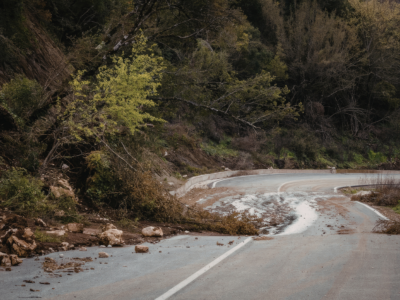
In many cases, dangerous road conditions play a significant role in car accidents. From debris scattered across I-75 to poorly maintained rural highways outside Atlanta, hazards can appear without warning. And when they do, the consequences can be severe.
If you were injured in a road hazard accident, determining liability can be complicated. These cases are often more difficult than typical car accident claims because they may involve government agencies, contractors, or third parties.
Wayne and Kimberly Grant are a husband-and-wife car accident law team in Atlanta. At Grant Law Office, we take a strategic, detail-driven approach to uncovering liability and helping clients pursue full compensation.
Road Hazards That Cause Accidents in Georgia
Georgia drivers face a wide range of hazards, especially on high-traffic corridors like I-75 and I-85, as well as rural highways where maintenance can lag. Many factors can contribute to road hazard injuries:
- Lack of Proper Signage. Missing or unclear signs can leave drivers unprepared for sharp curves, lane closures, and construction zones. When signage is inadequate, drivers may not have enough time to react, increasing the risk of a crash.
- Roadway Debris. Debris may include fallen cargo from trucks, tire fragments, and construction materials. These hazards can appear suddenly, leaving drivers little time to avoid a collision.
- Potholes and Poor Road Maintenance. Potholes are a major issue across Georgia highways, especially after heavy rain or temperature changes. Pothole accident claims may involve tire blowouts, loss of vehicle control, and damage to the vehicle suspension.
- Defective Road Design. Some roads are inherently dangerous due to poor design. Examples include sharp unmarked curves, inadequate drainage leading to standing water, and confusing lane configurations. These issues fall under highway defect liability and can lead to repeated accidents at the same location.
- Pavement Edge Drop-Offs. A pavement edge drop-off occurs when there is a height difference between the road and the shoulder. This can cause drivers to lose control when re-entering the roadway.
- Poorly Managed Construction Zones. Accidents can occur when barriers are improperly placed, traffic is not clearly directed, or hazards are not adequately marked. Construction areas require careful planning and oversight to keep drivers safe.
- Overgrown Vegetation. Overgrown trees or bushes can block visibility at intersections and obscure important signs. This can prevent drivers from seeing oncoming traffic, stop signs, pedestrians, or cyclists.
Who Is Responsible for Dangerous Road Conditions?
Determining responsibility in a road hazard accident is often complicated by the many contributing factors and parties that may bear liability.
In many cases, responsibility falls on government agencies responsible for road maintenance, such as the Georgia Department of Transportation (GDOT) or local municipalities. These claims may come with short filing deadlines and unique legal challenges.
Private Contractors
Private companies often handle road construction and maintenance. If a contractor creates or fails to address a hazard, they may be liable.
Examples of contractor negligence include:
- Improperly marked construction zones
- Failure to repair known defects
- Unsafe worksite practices
Third Parties
Other drivers or companies may also be responsible, especially in cases involving debris. For example, a trucking company that failed to secure cargo, or a contractor that left materials in the roadway.
Special Rules for Claims Against Government Entities
Claims against government entities in Georgia are subject to strict rules, such as:
- Ante Litem Notice Requirements. Before filing a lawsuit, you must provide formal notice to the government agency. This notice must include details of the incident, a description of the injury, and the amount of damage you are seeking.
- Shorter Deadlines. Deadlines for filing these notices are often much shorter than standard personal injury claims. Missing these deadlines can prevent you from pursuing compensation altogether.
Who Is Responsible for Debris on the Highway?
In many cases, identifying the source of the debris is key to building a strong claim. The answer depends on how the debris got there. Determining responsibility often requires a detailed investigation into who last handled the materials or had control over the roadway.
Evidence such as witness statements, traffic camera footage, and accident reports can help trace the origin of the debris. Acting quickly is important, as debris may be cleared before it can be properly documented. Responsible parties may include:
- A trucking company that failed to secure its load
- A contractor who left materials behind
- A government agency that failed to remove known hazards
Your Attorney Will Gather Evidence to Build a Strong Claim
Building a strong unsafe road conditions claim or lawsuit requires detailed evidence. This may include:
- Photos of the hazard
- Accident reports
- Maintenance records
- Witness statements
- Surveillance, traffic, or dashcam footage
- Expert analysis of road conditions
Speak With a Trusted Atlanta Car Accident Lawyer Today
At Grant Law Office, our Atlanta car accident attorneys are committed to helping clients navigate complex roadway liability cases. With a thorough approach to evidence gathering, we work to hold the right parties accountable.
Our firm brings more than 60 years of combined legal experience to every case. Wayne Grant is certified by the American Board of Professional Liability Attorneys and has been recognized by Super Lawyers through peer reviews and independent research.
Call (404) 995-3955 today for a free consultation.
FAQs About Road Hazards in Georgia
Can I file a claim if I was injured in a road hazard accident on a Georgia highway?
Yes, you may be able to file a claim if unsafe conditions contributed to your crash. Liability will depend on who was responsible for maintaining the roadway or creating the hazard, including government entities, contractors, or third parties.
Who is liable for a car accident caused by debris on the highway?
Liability depends on the source of debris. A trucking company, contractor, or even a government agency may be liable if they failed to prevent or remove the hazard that caused the accident.
What makes construction zone accidents more complex than other crashes?
A construction zone accident may involve multiple liable parties, including contractors, subcontractors, and government agencies. Determining fault often requires investigating who controlled the worksite and whether proper safety measures were followed.
What evidence is needed to prove government liability for road maintenance issues?
You typically need evidence showing the government knew or should have known about the hazard and failed to address it. This can include maintenance records, prior complaints, accident reports, and photos of the unsafe condition.
Contact us today for a free and comprehensive case evaluation.
We require no legal retainer or upfront fees,
and you pay nothing unless we prevail.
Phone: (404) 995-3955

Categories
- ATV Accident
- Auto Accidents
- Bicycle Accident
- Birth Injury
- Burn Injury
- Bus Accident
- Child Injury
- Construction Accidents
- Distracted Driving Accidents
- Firm News
- Hit-and-Run Accident
- Holiday Events
- Insurance Bad Faith
- Legal Updates
- Medical Malpractice
- Mesothelioma
- Motorcycle Accidents
- Nursing Home Abuse
- Pedestrian Accidents
- Personal Injury
- Premises Liability
- Product Liability
- Spinal Cord Injury
- Traumatic Brain Injury
- Truck Accidents
- Wayne Grant Education
- Workplace Injury
- Wrongful Death


