


When Negligent Design or Faulty Construction Leads to Building Collapse in Atlanta: Who Is Liable?
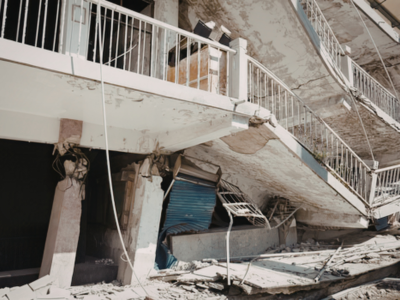
Atlanta’s skyline is changing fast. New developments rise alongside aging buildings, and with that growth comes risk. When a structure fails, the consequences can be devastating. Victims may be left with serious injuries, long-term medical needs, and unanswered questions about who is responsible.
Understanding how Georgia law applies to construction liability is important if you or a loved one has been harmed. In many cases, liability may extend across a chain of professionals involved in the design, construction, and maintenance of the building.
Wayne and Kimberly Grant are a husband-and-wife construction accident law team in Atlanta. Grant Law Office can review your claim and advise you on your options for moving forward with your case.
Why Do Building Collapses Happen?
Building collapses rarely occur unless there are underlying issues. Most incidents can be traced back to preventable failures in design, engineering, or construction.
Some of the most common causes include:
- Design defects: Architects or engineers may fail to account for load-bearing requirements, environmental conditions, or material limitations
- Substandard materials: Using inferior or non-compliant materials can weaken structural integrity
- Construction errors: Contractors or subcontractors may deviate from approved plans or cut corners
- Code violations: Failure to comply with Atlanta building codes and Georgia safety regulations
- Inadequate inspections: Missed defects during inspections allow dangerous conditions to persist
- Foundation or soil issues: Improper site evaluation can lead to instability over time
Understanding Liability Under Georgia Law
Georgia law allows injured parties to recover damages when negligence leads to harm. To succeed in an Atlanta building collapse claim, a plaintiff generally must establish:
- Duty of care
- Breach of that duty
- Causation (proximate cause)
- Damages
These elements are rooted in Georgia negligence law, including O.C.G.A. § 51-1-2, which defines ordinary negligence as the absence of reasonable care under the circumstances.
Breach of Duty in Construction Cases
Every party involved in a construction project has a duty to act with reasonable care:
- Architects must produce safe and compliant designs
- Engineers must ensure structural integrity
- Contractors must follow plans and safety standards
- Property owners must maintain safe premises
A building design defect lawsuit may arise when a professional fails to meet these obligations.
Foreseeability and Proximate Cause
Georgia courts also examine whether the harm was foreseeable. It is important to determine if a collapse was a predictable result of poor design, code violations, or ignored warnings.
Proximate cause connects the negligent act to the injury. For example, if faulty load calculations lead to a collapse, and that collapse injures occupants, the chain of causation is clear.
Who May Be Liable for a Building Collapse?
One of the most complex aspects of these cases is identifying responsible parties. In Atlanta construction projects, multiple entities may share responsibility.
- Architects and Designers. Architects can be held accountable when flawed plans create unsafe conditions. A design that fails to meet load requirements or ignores building codes may expose the architect to liability.
- Engineers. Structural engineers play a critical role in ensuring a building can withstand expected forces. Miscalculations or overlooked stress factors can lead directly to collapse.
- General Contractors. General contractors oversee construction and are responsible for ensuring work is completed according to plans and regulations. If they allow unsafe practices or fail to correct known issues, they may be liable.
- Subcontractors. Specialized subcontractors, such as those handling concrete, steel, or electrical work, may also be responsible if their work contributes to the failure.
- Property Owners and Developers. Owners or developers may be liable if they fail to maintain the property, ignore known structural risks, or allow unsafe conditions to persist.
- Manufacturers and Suppliers. If defective materials contributed to the collapse, manufacturers or suppliers may also be included in a claim.
What to Do After a Building Collapse
If you are injured in a building collapse or structural failure, what you do afterward can affect your ability to recover compensation.
Preserve Evidence
Key evidence in these cases may include:
- Inspection reports
- Construction contracts
- Architectural and engineering plans
- Maintenance records
- Photographs or videos of the scene
- Expert evaluations
Seek Medical Attention
Your health should always come first. Prompt medical care also creates documentation that may support your claim.
Don’t Speak With an Insurance Agent Without a Lawyer
Insurance carriers may attempt to deny claims, shift blame, and minimize settlement offers. Having a construction accident attorney involved early helps protect your rights.
Compensation Available in Structural Failure Cases
Victims of building collapses may be able to recover compensation for:
- Medical expenses
- Lost income and reduced earning capacity
- Pain and suffering
- Long-term care needs
- Wrongful death damages (for surviving family members)
Speak With an Experienced Atlanta Construction Accident Lawyer
With more than 60 years of combined experience, the attorneys at Grant Law Office understand how to investigate complex claims involving multiple defendants. We work closely with experts to analyze structural failures, identify breaches of duty, and fight for the compensation you deserve.
Wayne Grant has been recognized by Super Lawyers based on peer reviews and independent research, and he is also rated AV Preeminent 5/5 by Martindale-Hubbell, which is the highest rating for legal ability and ethical behavior.
Call (404) 995-3955 for a free consultation today.
Frequently Asked Questions About Building Collapse Liability in Atlanta
Who can be held liable for a building collapse in Atlanta?
Liability often extends to multiple parties depending on the cause of the collapse. This may include architects, engineers, general contractors, subcontractors, property owners, and even material manufacturers. Anyone whose failure to meet safety standards contributed to the collapse may be held accountable.
What is considered a building design defect?
A building design defect occurs when an architect or engineer creates inherently unsafe plans. This can include improper load calculations, failure to comply with building codes, or overlooking environmental factors.
Can a property owner be liable for a building collapse?
Yes. Property owners may be held liable if they failed to maintain safe conditions, ignored known hazards, or did not address structural issues.
Why should I hire a building collapse lawyer?
Building collapse cases are complex, and they often involve multiple defendants, technical evidence, and strict legal deadlines. An Atlanta construction accident attorney can investigate the cause, identify all responsible parties, and build a strong case to help you recover compensation for your injuries and losses.
Contact us today for a free and comprehensive case evaluation.
We require no legal retainer or upfront fees,
and you pay nothing unless we prevail.
Phone: (404) 995-3955

Categories
- ATV Accident
- Auto Accidents
- Bicycle Accident
- Birth Injury
- Burn Injury
- Bus Accident
- Child Injury
- Construction Accidents
- Distracted Driving Accidents
- Firm News
- Hit-and-Run Accident
- Holiday Events
- Insurance Bad Faith
- Legal Updates
- Medical Malpractice
- Mesothelioma
- Motorcycle Accidents
- Nursing Home Abuse
- Pedestrian Accidents
- Personal Injury
- Premises Liability
- Product Liability
- Spinal Cord Injury
- Traumatic Brain Injury
- Truck Accidents
- Wayne Grant Education
- Workplace Injury
- Wrongful Death


