


Construction Injuries Caused by Crane Collapses and Tip-Overs in Atlanta: Who Is Liable?
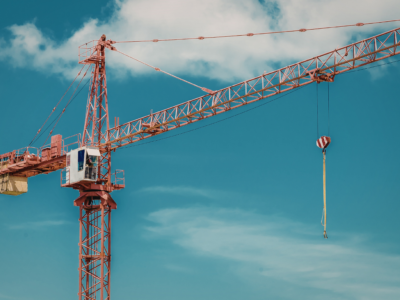
In a fast-growing city like Atlanta, where cranes are a constant presence on skylines and job sites, the risk of an accident injury is very real. When a crane collapses or tips over, the consequences are often catastrophic, leading to severe injuries or even fatalities.
Wayne and Kimberly Grant are a husband-and-wife crane accident law team in Atlanta. With decades of experience, Grant Law Office can investigate the accident and advise you on your options for seeking maximum compensation.
How Crane Collapses and Tip-Overs Happen
A collapse or crane tip-over can occur in seconds, especially when weight limits are exceeded or the crane is not properly secured. A full collapse may result from structural failure or improper assembly.
Most crane accidents are the result of preventable safety failures, such as:
- Improper setup or unstable ground conditions
- Overloading beyond the crane’s capacity
- Mechanical failure or poor maintenance
- Operator error or lack of training
- Failure to follow safety protocols
OSHA Crane Safety Standards and Why They Matter
In many cases, crane accidents are tied directly to OSHA crane safety violations. The Occupational Safety and Health Administration (OSHA) has strict rules governing crane operations under 29 CFR 1926 Subpart CC.
These regulations cover:
- Proper crane assembly and disassembly
- Load limits and weight calculations
- Operator certification requirements
- Routine inspections and maintenance
- Ground stability and site preparation
When these standards are violated, the risk of a crane accident increases significantly. Examples of OSHA violations include:
- Operating a crane without proper certification
- Ignoring load charts or exceeding weight limits
- Failing to inspect equipment before use
- Setting up on unstable or uneven ground
The Limitations of Workers’ Compensation Benefits
While workers’ compensation provides important benefits, it has limitations, and it may not be your only option. Workers’ compensation benefits provide:
- Medical expenses
- Partial wage replacement
- Disability benefits
However, workers’ compensation does not cover the full extent of the damages, such as pain and suffering.
Seeking Additional Compensation Through a Third-Party Claim.
After a construction accident, workers often rely on workers’ compensation to cover immediate medical expenses and a portion of lost income. When a third party contributes to the accident, you may be able to pursue additional compensation through a separate personal injury claim.
These third-party claims allow injured workers to seek recovery for losses that workers’ compensation does not cover, including pain and suffering and the full extent of lost earnings. Potentially liable third parties may include:
- General Contractors. General contractors are responsible for overseeing the entire construction site. If they fail to enforce safety protocols or properly coordinate operations, they may be liable.
- Subcontractors. Subcontractors may be responsible for specific aspects of the project, such as crane operations or site preparation. Mistakes at this level can directly contribute to a crane accident injury.
- Equipment Manufacturers. If a crane fails due to a design or manufacturing defect, the manufacturer may be held responsible under product liability laws.
- Maintenance Providers. Companies responsible for maintaining or inspecting the crane may be liable if they fail to identify or fix safety issues.
- Property Owners. Property owners or developers may be liable if they fail to maintain a safe work environment or address known site hazards.
- Equipment Vendors or Rental Companies. Companies that supply or rent cranes and other heavy machinery may be responsible if the equipment was defective, improperly maintained, or unsafe for use.
Compensation Available in a Third-Party Construction Accident Claim
Third-party claims are designed to address the full impact of an injury, including both financial losses and the personal toll it takes on your life. By pursuing a third-party claim, you may be able to recover compensation that reflects the true extent of your injuries and long-term needs, including:
- Medical expenses, including future treatment and rehabilitation
- Full lost wages and reduced earning capacity
- Pain and suffering
- Emotional distress
- Loss of enjoyment of life
- Costs related to long-term care or disability
- Out-of-pocket expenses related to the injury
Your Lawyer Can Collect Evidence to Prove Your Claim
Building a strong case requires a detailed investigation and multiple forms of evidence. In many cases, Atlanta construction accident attorneys work with engineers and safety experts to reconstruct how the accident occurred. Critical evidence in a crane accident claim or lawsuit may include:
- OSHA inspection reports
- Maintenance and repair records
- Load charts and operational logs
- Witness statements
- Surveillance or site footage
- Expert analysis of the crane and accident scene
Speak with an Experienced Atlanta Crane Accident Lawyer Today.
At Grant Law Office, we are committed to helping injured workers pursue the compensation they deserve. Our firm brings more than 60 years of combined legal experience to every case. Wayne Grant is certified by the American Board of Professional Liability Attorneys and has been recognized by Super Lawyers through peer reviews and independent research.
Call (404) 995-3955 today for a free consultation.
Construction Crane Accident FAQs
Who can be held liable for a crane collapse or tip-over accident in Atlanta?
Liability may extend beyond just the employer and can include general contractors, subcontractors, crane operators, equipment manufacturers, and maintenance providers. Identifying all responsible parties is critical in crane collapse liability cases to ensure full compensation is pursued.
Can I file a lawsuit if I am already receiving workers’ compensation?
Yes, you may still have the right to file a claim against third parties who contributed to the accident. These third-party liability construction accidents can provide additional compensation beyond what workers’ comp covers.
What are the common causes of crane accident injuries on construction sites?
Crane accident injury cases often involve issues such as overloading, improper setup, mechanical failure, or operator errors. OSHA crane safety violations are frequently a contributing factor to these accidents.
What evidence is used to prove a crane was unsafe or improperly operated?
Evidence may include OSHA inspection reports, maintenance records, load charts, witness statements, and expert analysis. This information helps establish whether safety standards were violated and who is responsible.
Contact us today for a free and comprehensive case evaluation.
We require no legal retainer or upfront fees,
and you pay nothing unless we prevail.
Phone: (404) 995-3955

Categories
- ATV Accident
- Auto Accidents
- Bicycle Accident
- Birth Injury
- Burn Injury
- Bus Accident
- Child Injury
- Construction Accidents
- Distracted Driving Accidents
- Firm News
- Hit-and-Run Accident
- Holiday Events
- Insurance Bad Faith
- Legal Updates
- Medical Malpractice
- Mesothelioma
- Motorcycle Accidents
- Nursing Home Abuse
- Pedestrian Accidents
- Personal Injury
- Premises Liability
- Product Liability
- Spinal Cord Injury
- Traumatic Brain Injury
- Truck Accidents
- Wayne Grant Education
- Workplace Injury
- Wrongful Death


