


OSHA Compliance and Scaffolding Accidents in Atlanta: What Injured Workers Need to Know
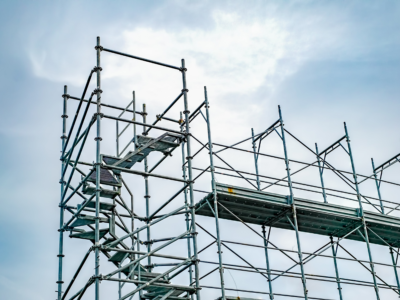
Scaffolding failures are one of the leading causes of serious injuries and fatalities on construction sites. When scaffolding collapses or fails due to safety violations, the consequences can be devastating.
Understanding how OSHA scaffolding regulations apply, what causes these accidents, and how liability works in Georgia is important if you have been hurt on the job. OSHA violations could play a major role if you decide to pursue a third-party liability claim.
Wayne and Kimberly Grant are a husband-and-wife construction accident law team in Atlanta. Grant Law Office can investigate the accident and advise you on your options for seeking maximum compensation.
Why Scaffolding Accidents Are So Dangerous
Scaffolding is designed to provide a stable, elevated work platform. When scaffolding is poorly constructed or improperly maintained, it can lead to dangerous falls or a catastrophic collapse.
Injuries caused by scaffolding accidents include:
- Traumatic brain injuries (TBIs)
- Paralysis
- Bone fractures
- Amputation
- Internal injuries
- Crush injuries
OSHA Scaffolding Regulations
The Occupational Safety and Health Administration (OSHA) has established strict standards under 29 CFR 1926 Subpart L to protect workers who use scaffolding.
These regulations set requirements for:
- Proper scaffold design and load capacity
- Guardrails and fall protection systems
- Safe access points (ladders, stair towers)
- Platform stability and support
- Employee training and supervision
- Regular inspections by competent persons
OSHA Violations That Lead to Scaffolding Injuries
Many scaffolding injury cases are the result of preventable negligence. When these violations occur, they can form the basis of both regulatory penalties and civil claims:
- Lack of Fall Protection. Falls are the leading cause of death in construction. OSHA requires guardrails, safety nets, or personal fall arrest systems on most scaffolds. When these protections are missing, workers are exposed to significant risk.
- Improper Guardrails. Guardrails must meet specific height and strength requirements. Weak, incomplete, or improperly installed guardrails can fail when workers rely on them.
- Unstable or Improperly Built Platforms. Scaffolding must be built on stable ground and properly secured. Uneven surfaces, missing supports, or overloaded platforms can cause sudden collapse.
- Inadequate Training. Workers must be trained to recognize hazards and use scaffolding safely. Without proper instruction, even experienced workers may unknowingly put themselves at risk.
- Failure to Inspect. OSHA requires regular inspections by a qualified individual. When inspections are skipped or rushed, dangerous conditions may go unnoticed.
How OSHA Violations Impact a Legal Claim or Lawsuit
OSHA citations and inspection reports can play a powerful role in civil litigation. If a contractor is cited for violating OSHA scaffolding regulations, that finding may help establish:
- Breach of duty
- Unsafe working conditions
- Foreseeability of the accident
In a personal injury case, this evidence can support claims against negligent parties and strengthen your position before a jury.
Workers’ Compensation vs. Third-Party Claims in Georgia
While workers’ comp is an important resource, it may not fully cover your losses.
Workers’ Compensation Claims
In Georgia, most employers are required to carry workers’ compensation insurance. This system provides benefits regardless of fault, including:
- Medical treatment
- Partial wage replacement
- Disability benefits
However, workers’ compensation does not cover:
- Pain and suffering
- Full loss of income
- Loss of future earning capacity in many cases
Third-Party Liability in Construction Accidents
If someone other than your employer contributed to the accident, you may be able to pursue a separate personal injury claim.
Examples of potentially liable third parties include:
- Subcontractors who created unsafe conditions
- General contractors who failed to enforce safety rules
- Equipment manufacturers that are responsible for defective scaffolding
- Property owners who allowed hazardous conditions
Damages Available in a Third-Party Lawsuit
Using a Georgia construction worker injury third-party lawsuit, an injured worker may be able to recover a wide range of damages beyond what workers’ compensation provides. These damages are intended to address both the financial and personal impact of the injury. They may include:
- Medical expenses, including emergency care, surgeries, rehabilitation, and ongoing treatment
- Lost wages and reduced earning capacity if the injury affects the ability to work long-term
- Pain and suffering related to physical discomfort and lasting limitations
- Emotional distress, including anxiety, trauma, or diminished quality of life
- Costs of future care, such as long-term medical needs or in-home assistance
- Loss of enjoyment of life if the injury prevents participation in normal activities
- Permanent disability or disfigurement
Filing a Wrongful Death Claim After a Scaffolding Accident
In Georgia, a wrongful death claim may be brought by the surviving spouse, children, or, if none exist, the deceased’s parents or estate representative. These claims seek to recover the full value of the person’s life, including both economic and non-economic losses. Damages may include lost income and benefits, loss of companionship, funeral and burial expenses, and the intangible value of the life that was taken.
Speak With a Trusted Atlanta Construction Accident Lawyer
Grant Law Office brings more than 60 years of combined legal experience to every case. Wayne Grant is certified by the American Board of Professional Liability Attorneys, and he has been recognized by Super Lawyers based on peer reviews and independent research.
We take a thoughtful approach to every case. Our Atlanta scaffolding accident attorneys are ready to evaluate your claim and advise on how to move forward with your case.
Call (404) 995-3955 to schedule a free consultation today.
Frequently Asked Questions About OSHA Compliance and Scaffolding Accidents
What are OSHA scaffolding regulations?
OSHA scaffolding regulations are federal safety standards outlined in 29 CFR 1926 Subpart L. These rules require proper scaffold construction, guardrails or fall protection, safe access points, regular inspections, and adequate worker training. They are designed to prevent falls and structural failures on construction sites.
What are some common OSHA violations in scaffolding accidents?
Common violations include lack of fall protection, missing or defective guardrails, unstable or overloaded platforms, failure to inspect scaffolding, and inadequate worker training.
Can an OSHA violation help my injury claim?
Yes. While OSHA does not provide compensation directly, an OSHA citation or inspection report can serve as strong evidence in a personal injury case. It may help show that a contractor or other party failed to follow required safety standards.
Who can be held responsible for a scaffolding accident?
Liability may extend to multiple parties, including general contractors, subcontractors, site managers, equipment manufacturers, or property owners. Determining responsibility often depends on who controlled the worksite and who failed to follow safety regulations.
Contact us today for a free and comprehensive case evaluation.
We require no legal retainer or upfront fees,
and you pay nothing unless we prevail.
Phone: (404) 995-3955

Categories
- ATV Accident
- Auto Accidents
- Bicycle Accident
- Birth Injury
- Burn Injury
- Bus Accident
- Child Injury
- Construction Accidents
- Distracted Driving Accidents
- Firm News
- Hit-and-Run Accident
- Holiday Events
- Insurance Bad Faith
- Legal Updates
- Medical Malpractice
- Mesothelioma
- Motorcycle Accidents
- Nursing Home Abuse
- Pedestrian Accidents
- Personal Injury
- Premises Liability
- Product Liability
- Spinal Cord Injury
- Traumatic Brain Injury
- Truck Accidents
- Wayne Grant Education
- Workplace Injury
- Wrongful Death


