


The Signs That a Loved One Is Suffering Nursing Home Abuse
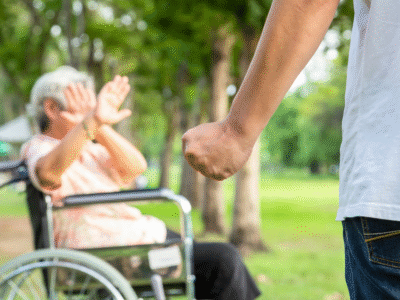
In the heart of Atlanta, families entrust nursing homes with the health and well-being of their loved ones. You have every right to expect your loved one to be cared for in a safe and nurturing environment. Unfortunately, the actual conditions in these facilities can be distressing. The truth is that nursing home abuse remains a concerning issue that demands vigilant attention.
If you suspect nursing home abuse, collect evidence to document the behavior and report it to the Georgia Department of Human Services Division on Aging Services as soon as possible. You can also contact an Atlanta nursing home abuse attorney for help. They can perform a thorough investigation and seek compensation from anyone liable for the injuries and abuse your loved one has suffered.
Signs of Nursing Home Physical Abuse
Visible injuries are often the most apparent indicators of physical abuse in nursing homes. These can include unexplained bruises, scars, or marks that seem unusual or occur repeatedly. Additional signs might involve sprains, dislocations, or even broken bones.
Marks from restraints are a serious red flag, indicating possible physical abuse in nursing homes. These marks may appear as bruises, abrasions, or indentations on the wrists, ankles, or other parts of the body where restraints could be applied. Such signs suggest that the patient may have been improperly restrained, which is unethical and illegal. Restraints should only be used under strict medical supervision to prevent harm.
Broken eyeglasses or other personal items can also suggest physical altercations or violence. It’s important for families and caregivers to remain vigilant and investigate any suspicious injuries immediately. Documenting these signs with photographs and detailed records can be crucial for future legal proceedings.
Signs of Nursing Home Emotional Abuse
Emotional abuse occurs when caregivers make demeaning comments, ridicule residents, or use a harsh tone that undermines a resident’s self-worth and dignity. Threats to withhold care or punishment create a climate of fear and anxiety, further isolating the individual from their supportive networks. These behaviors can lead to severe emotional distress and may result in withdrawal, depression, or a sudden change in behavior. Families must be alert to these signs and note any emotional changes in their loved ones.
Controlling and isolating actions are significant indicators of emotional abuse in nursing homes. Caregivers who engage in these behaviors may restrict a resident’s access to family, friends, or even other residents, effectively isolating them from their support network. This may include preventing phone calls, denying visitation rights, or manipulating a resident’s schedule to minimize social interactions. Such isolation will increase feelings of loneliness, making the resident more dependent on the abusive caregiver.
Sudden changes in a resident’s behavior are often a sign of emotional abuse in nursing homes. These changes might include withdrawal from social activities, unusual levels of anxiety, or unexpected aggression. Residents who were once social and engaged may become isolated and unresponsive, a shift often rooted in fear or distress caused by mistreatment. A resident who is suffering emotional abuse may demonstrate an apparent fear of particular staff members.
Signs of Nursing Home Sexual Abuse
Genital bruising and infections are alarming signs that may indicate sexual abuse in nursing homes. These physical symptoms can include unexplained bruises, abrasions, or swelling in the genital area, as well as sexually transmitted diseases or infections that have no clear origin. Such symptoms are profoundly concerning and require immediate medical attention and investigation.
Torn or stained underwear is a distressing indicator that often points to sexual abuse within nursing homes. These signs could indicate inappropriate handling or assault, and it’s vital to approach these situations urgently.
Signs of Nursing Home Caregiver Neglect
Unsafe living conditions are a clear sign of caregiver neglect in nursing homes. These conditions may include a lack of basic necessities such as heat, food, or running water and unclean environments featuring soiled bedding, dirty clothes, and unsanitary living spaces.
Poor hygiene and declining health are alarming indicators of caregiver neglect in nursing homes. Evidence of a pattern of neglect may include patients being left unbathed, wearing soiled clothing, or living in dirty conditions. Untreated medical conditions, such as bedsores from a lack of turning, significant weight loss, and dehydration, signal a severe lack of proper care.
Unexplained or rapid weight loss may indicate that the resident is not receiving adequate nutrition, while signs of dehydration suggest that they are not being provided sufficient fluids. These conditions can lead to severe health complications, including weakness, confusion, and increased susceptibility to infections.
Signs of Nursing Home Caregiver Financial Exploitation
Unexpected changes in a resident’s financial situation are a significant warning sign of financial exploitation in nursing homes. Signs to look out for include unexplained withdrawals from bank accounts, sudden alterations in power of attorney, or modifications to insurance policies without the resident’s consent. Missing cash and personal items could also be an indication of financial exploitation.
Our Nursing Home Abuse Attorneys in Atlanta Take On Abusive Caregivers
The experienced Atlanta personal injury lawyers at Grant Law Office have over 60 years of combined legal experience. Wayne Grant has been selected as one of The Best Lawyers in America for Personal Injury Litigation by Best Lawyers and is also proud to be in the top 5 percent of attorneys in Georgia.
Call (404) 995-3955 to schedule a free case review today. We will seek justice for your loved one and handle their case with sensitivity and discretion.
Contact us today for a free and comprehensive case evaluation.
We require no legal retainer or upfront fees,
and you pay nothing unless we prevail.
Phone: (404) 995-3955

Categories
- ATV Accident
- Auto Accidents
- Bicycle Accident
- Birth Injury
- Burn Injury
- Bus Accident
- Child Injury
- Construction Accidents
- Distracted Driving Accidents
- Firm News
- Hit-and-Run Accident
- Holiday Events
- Insurance Bad Faith
- Legal Updates
- Medical Malpractice
- Mesothelioma
- Motorcycle Accidents
- Nursing Home Abuse
- Pedestrian Accidents
- Personal Injury
- Premises Liability
- Product Liability
- Spinal Cord Injury
- Traumatic Brain Injury
- Truck Accidents
- Wayne Grant Education
- Workplace Injury
- Wrongful Death


